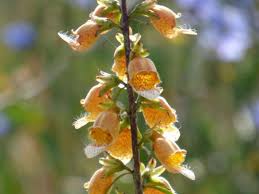
Digitalis laevigata (Smooth foxglove, giraffe foxglove, Grecian foxglove) — tubular, bell-shaped blooms of orange, apricot, or bronze-yellow with a white lower lip and speckled purple-veined interior, blooming May to July. A good pick for pollinators, fully hardy, full sun or partial shade — tolerates sun better than most foxgloves.
Quantity
Couldn't load pickup availability
🌿 Grown at our London nursery — collect in person or arrange local delivery
📦 Dispatched within 3 business days via Royal Mail
Product features
Common name: Smooth foxglove, giraffe foxglove, Grecian foxglove
Height: 70cm – 90cm (occasionally up to 1m)
Spread: 30cm – 50cm
Foliage: Narrow, glossy, hairless, lance-shaped leaves
Flower: Tubular, bell-shaped orange, apricot, or bronze-yellow blooms with white lower lip and speckled purple veining, May to July
Attractive to wildlife: Yes — bees and long-tongued pollinators
Soil Type: Highly adaptable — loam, chalk, clay, or sand, prefers humus-rich soil
Drought tolerant: Yes, more so than traditional woodland foxgloves
Hardy: Yes, fully hardy against heavy frosts
Position: Full sun to partial shade — prefers brighter spots than common foxgloves
Evergreen: No
Suitable for: Cottage gardens, gravel gardens, woodland edges, wildlife gardens
Materials and care
Light: Full sun or partial shade — tolerates sun better than most foxgloves
Aspect: South-, west-, or east-facing warm, bright spots
Soil type: Humus-rich, fertile soil — adapts to most soils except heavy clay
Drainage: Well-drained soil necessary
Watering: Medium to low needs — higher drought tolerance than common foxgloves
Foliage protection: Stake tall stems; wear gloves as foliage is toxic
Deadheading: Cut back main flower spike after blooming for a second flush
End of season: Cut spent stems to the ground; apply compost mulch
Propagation: Sow seed in spring/late summer, divide clumps, or take basal cuttings